Updated 2026-11-26 · 4 min read
What is a shock cord for?
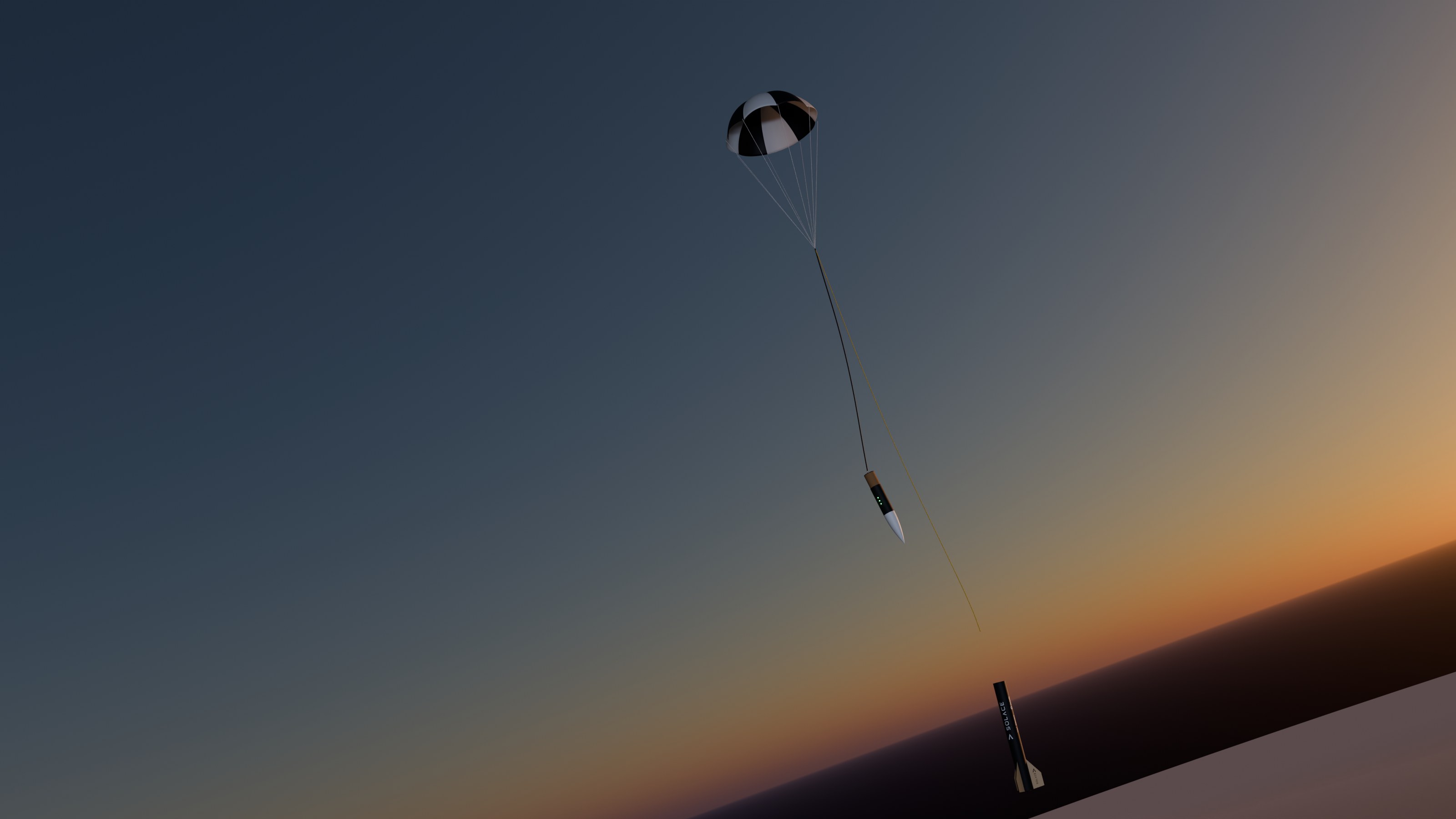
It joins the nose cone, the recovery gear and the body tube so the parts come down together. Our parts of a model rocket guide shows where it sits. A cord that comes loose lets the parts fall apart, so how it is mounted matters as much as what it is made of.
What shock cord mounts does Estes show?
The Estes manual (2012, a US document) lists "Shock cord mounts" as step 2 of its construction hints. It says to attach the cord securely and that both methods it shows give good results.
- Paper anchor. The anchor is cut from paper or index card stock and glued inside the body tube.
- Slit-and-glue. Estes says this method is good for body tubes too small for an anchor mount.
The manual shows both in drawings, so we do not describe the steps beyond what it says in words. Follow the instructions that come with your kit.
How far into the tube should the anchor go?
Estes says to glue the anchor far enough into the tube that it does not interfere with the proper fit of the nose cone. A mount that sticks out can make the nose cone too tight, which our parachute not opening guide lists as a common cause of failed deployment.
How do you fix a shock cord to a balsa nose cone?
Estes says that if your model uses a screw eye to attach the cord to a balsa nose cone or adapter, make sure the screw eye is secure. Make a hole by inserting and removing the eye, squirt glue into the hole, then replace the eye. Our glue guide covers the choice of glue.
What shock cord material should you use?
UKRA's Anatomy of a Rocket article (30 April 2025) names two good materials. Elastic absorbs the shock of deployment well, but hot ejection gas can scorch it. UKRA says to choose cotton coated elastic, and to use elastic only in very lightweight rockets. Kevlar is fireproof and does not stretch as easily, and UKRA suggests using Kevlar to anchor the cord inside the rocket with elastic as the main cord. More in our materials guide.
What should you check before flying?
Our reading of the manual: check the cord and its mount are firmly held, and that no cord or shroud line is trapped between the nose cone shoulder and the body tube. Estes says a trapped cord is one reason a nose cone fits too tightly. See our parachute packing guide.
FAQ
Questions
How do you attach a shock cord to a model rocket?
Estes shows two mounts: a paper anchor cut from index card and glued inside the body tube, or a slit-and-glue mount for tubes too small for an anchor. Both give good results if the cord is attached securely.
How do you attach a shock cord to a balsa nose cone?
Estes says to use a screw eye. Make a hole by inserting and removing the eye, add glue to the hole, then replace the eye so it is secure.
What is the best shock cord material?
UKRA names cotton coated elastic for lightweight rockets and Kevlar, which is fireproof, as an anchor for the cord. It says to avoid elastic coated in synthetic material.
Why does elastic shock cord burn or scorch?
UKRA says hot ejection gas can scorch elastic. It advises cotton coated elastic, and elastic only in very lightweight rockets.
How far into the body tube should a shock cord anchor go?
Estes says to glue the anchor far enough into the tube that it does not interfere with the proper fit of the nose cone.
Has NOVTAR Solace flown?
No. NOVTAR Solace is in design and has not flown.
Sources: Estes Model Rocketry Technical Manual (2012, a US document); UKRA, Anatomy of a Rocket (30 April 2025, read 26 November 2026). The UKRA Safety Code applies to every launch.